
Transform Your Week with Smart Meal Prep
Discover how intelligent meal preparation works, why it matters for your daily nutrition, and how to build sustainable eating habits that fit your lifestyle.
- Structured planning saves 5-7 hours weekly on cooking decisions
- Balanced nutritional composition supports steady energy throughout the day
- Consistent portion sizes help establish reliable eating patterns
- Cost-effective approach reduces food waste and budget unpredictability
- Evidence-based strategies align with modern nutritional science
Get Started with Smart Meal Prep
We share practical articles and meal prep insights directly to your inbox.
The information on this site is for educational purposes only and does not constitute medical advice. Always consult a qualified healthcare professional before making health decisions.
Key Features of Effective Meal Prep
Learn what makes meal preparation a cornerstone of healthy eating and how these elements work together to support your nutritional goals.
Nutritional Balance Assessment
Proper meal prep ensures each meal contains appropriate ratios of protein, carbohydrates, and healthy fats. This structural approach helps maintain stable blood sugar levels and supports consistent energy distribution across your day.
Time Efficiency Planning
Batching your cooking into dedicated prep sessions eliminates daily decision fatigue. Allocating 2-3 hours weekly for preparation streamlines the entire week, reducing morning stress and enabling you to maintain structured eating patterns even during busy periods.
Ingredient Quality Control
When you select and prepare ingredients yourself, you maintain complete oversight of food sources and cooking methods. This transparency allows you to understand exactly what enters your meals and supports informed dietary choices aligned with your preferences.
Budget Optimization
Planning meals in advance lets you purchase ingredients strategically, take advantage of seasonal availability, and minimize waste. Most people find their food budgets stabilize and even decrease when following structured meal prep routines.
Environmental Awareness
Meal prep reduces food waste through careful portioning and storage planning. By consuming what you prepare, you minimize disposal while supporting more sustainable food purchasing decisions that align with environmental responsibility.
Habit Formation Support
Routine preparation builds consistency, and consistency creates lasting behavioral change. When nutritious meals are readily available, you naturally choose them, reinforcing positive eating patterns that become automatic over time.
Your 5-Step Meal Prep Journey
Follow this proven process to establish a sustainable meal preparation routine that works with your schedule and lifestyle.
Assess Your Current Eating Patterns
Begin by tracking what you eat for three to five days without changing anything. Document meals, portion sizes, and times. This baseline understanding reveals your actual habits, preferences, and time constraints—essential information for designing a realistic prep plan that you'll actually follow.
Plan Your Weekly Menu Structure
Decide how many meals you'll prepare (typically lunches and dinners, sometimes breakfasts). Select 3-4 protein sources, 4-5 vegetable varieties, and 2-3 carbohydrate options for the week. This variety prevents boredom while maintaining nutritional balance. Write everything down to create your shopping list foundation.
Shop with Purpose and Strategy
Visit the grocery store with your prepared list and meal plan. Shop the perimeter first (produce, proteins, dairy), then select whole grains and pantry staples. Choose items in quantities that match your meal plan exactly. This focused approach reduces impulse purchases and ensures you have everything needed for successful preparation.
Execute Your Cooking Session
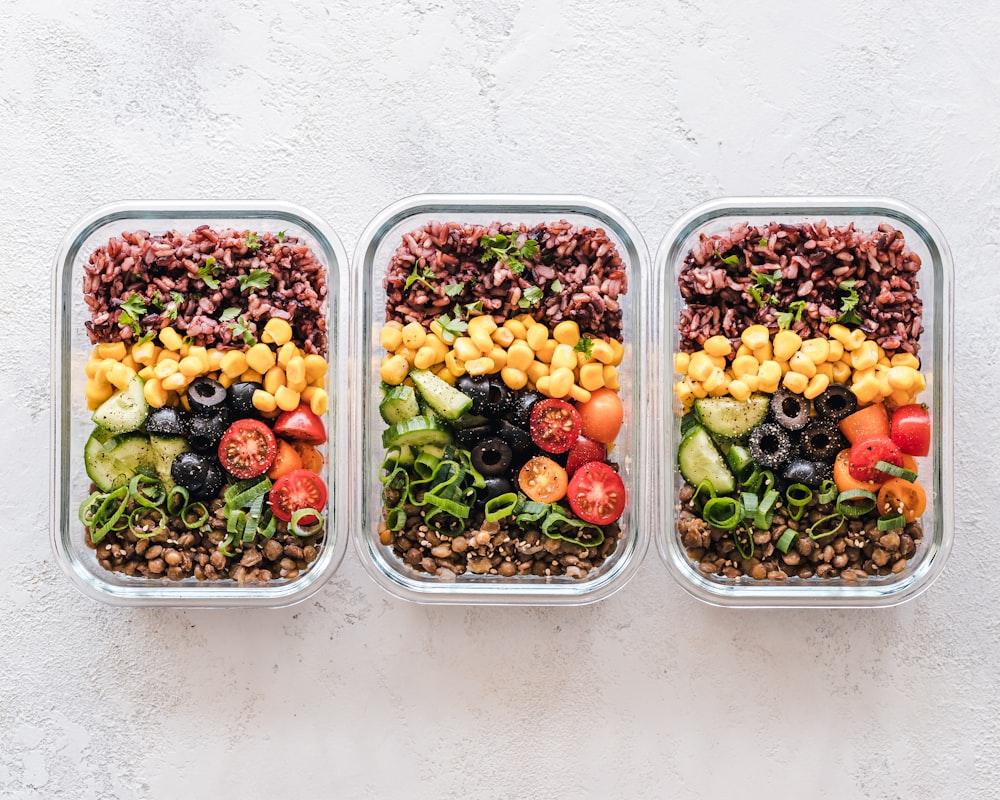
Set aside 2-3 uninterrupted hours for cooking. Start with items requiring the longest cooking time, then work backward. Wash and chop vegetables, cook proteins and grains in batches, then assemble your portioned meals. Keep your workspace organized and clean as you progress. Invest in quality storage containers for proper preservation and easy identification.
Store, Track, and Refine
Label containers with contents and dates for easy identification. Store properly to maintain freshness (refrigerator for 3-4 days, freezer for longer). Throughout the week, note what worked well and what didn't. Did portions satisfy you? Did flavors keep meals interesting? Use these observations to refine next week's plan continually.
Why Meal Prep Changes Everything
Creates Dietary Consistency
When meals are prepared in advance, you remove the randomness from your eating. This consistency allows your body to establish predictable digestion patterns and makes it easier to understand how different foods affect you.
Eliminates Emotional Eating Triggers
Hunger combined with decision fatigue often leads to convenient but less nutritious choices. Pre-prepared meals eliminate the "what should I eat?" question during vulnerable moments, helping you stick to intentional choices.
Supports Informed Decision-Making
You know exactly what's in every meal you've prepared. This transparency empowers you to make educated adjustments based on how you feel, supporting a deeper understanding of your personal nutritional needs.
Builds Long-Term Habits
Consistency over weeks and months creates automatic behavior patterns. What initially requires effort becomes natural routine, making sustainable eating patterns feel effortless rather than restrictive.
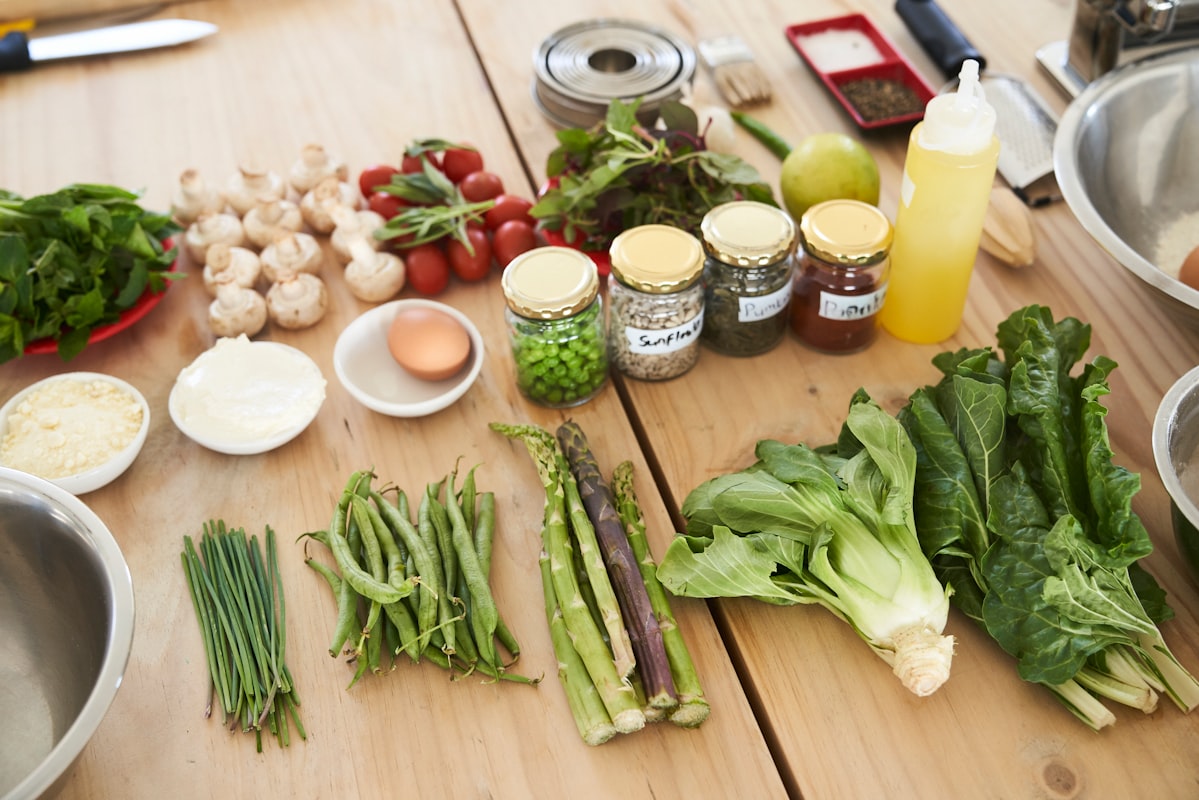
Real Meal Prep Success Stories
Discover how people from different backgrounds have transformed their relationship with food through structured meal preparation.
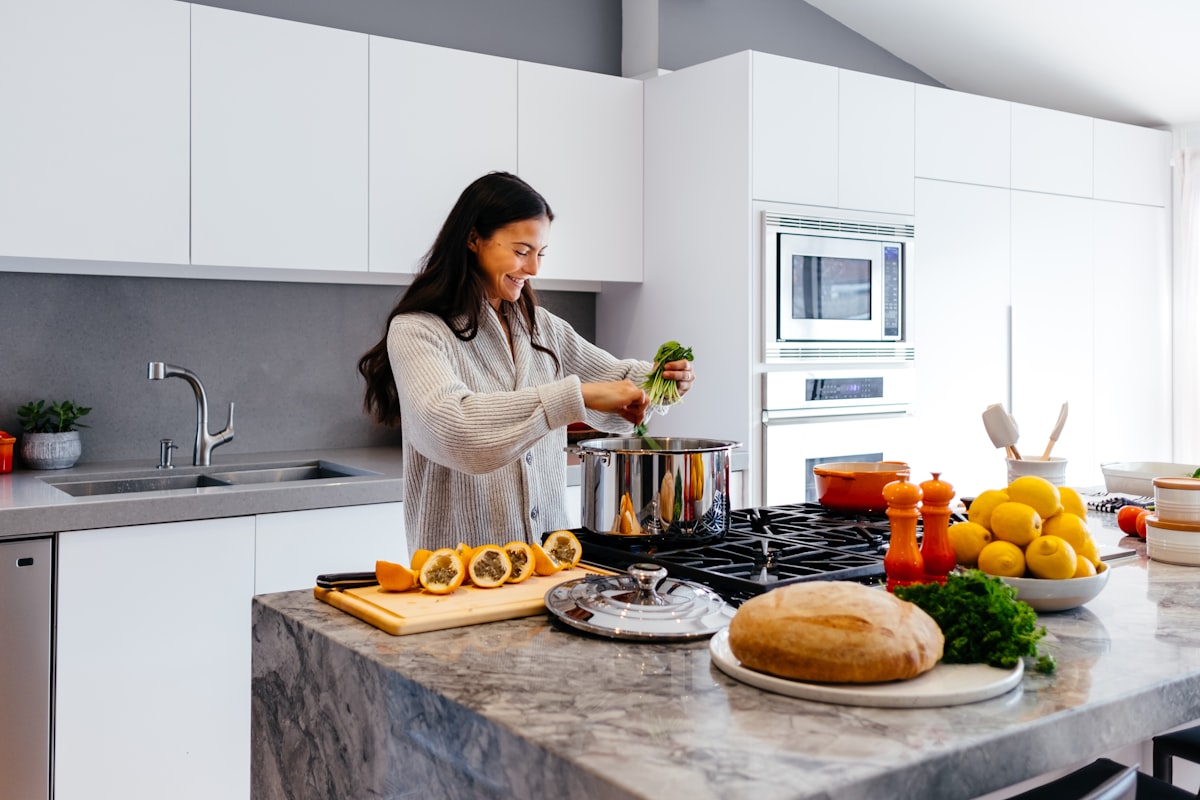
The Busy Professional
Marcus, a corporate manager in Munich, discovered that Sunday meal prep gave him his mornings back. Instead of rushing through breakfast and skipping lunch, he now sits down to nutritious meals. The 3-hour weekly prep time saves him 8-10 hours of daily stress and decision-making.
"I actually enjoy eating now instead of just fueling myself with whatever's convenient."
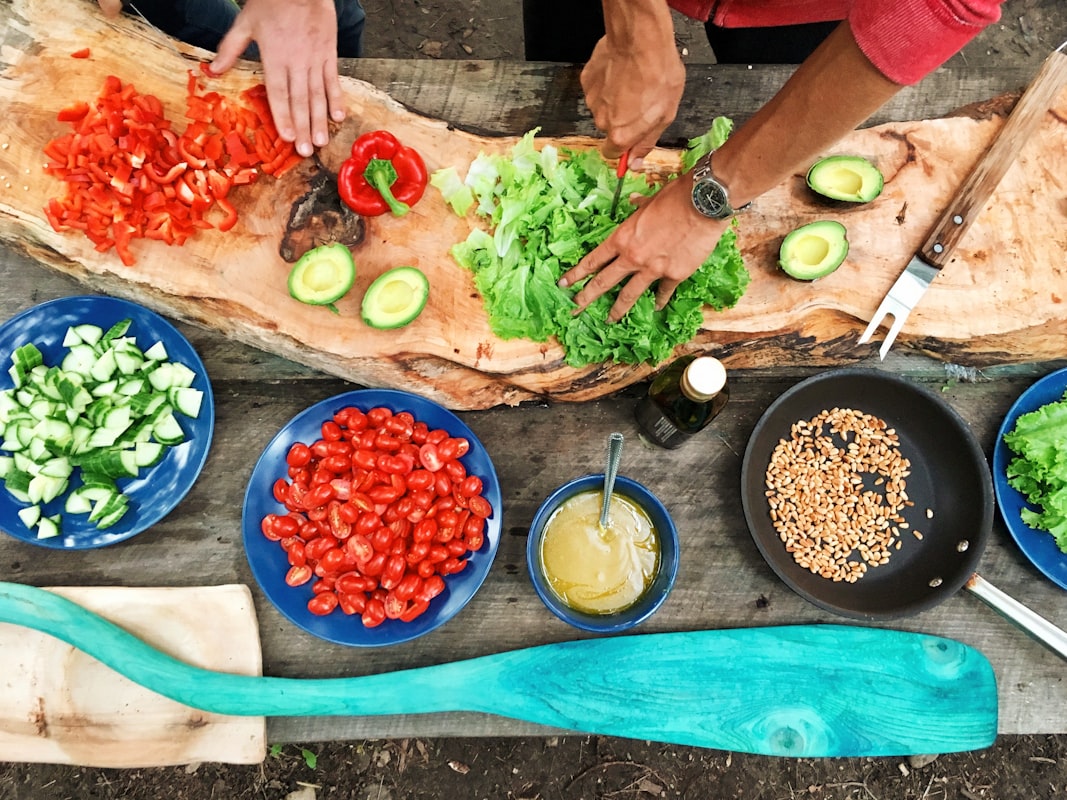
The Health-Conscious Parent
Julia began meal prepping to ensure her family ate real food despite chaotic schedules. Her children now understand what healthy eating looks like, and family mealtimes have become opportunities for connection rather than logistical problems to solve.
"My kids ask for the meals we prep together—they've actually developed food appreciation."

The Fitness Enthusiast
Thomas credits meal prep with bridging the gap between his training intensity and nutritional support. By preparing specific protein and carbohydrate combinations, he recovered better and had consistent energy for his workouts. The structured approach eliminated guesswork.
"I can finally correlate how I eat with how I perform—it's a game changer for consistency."
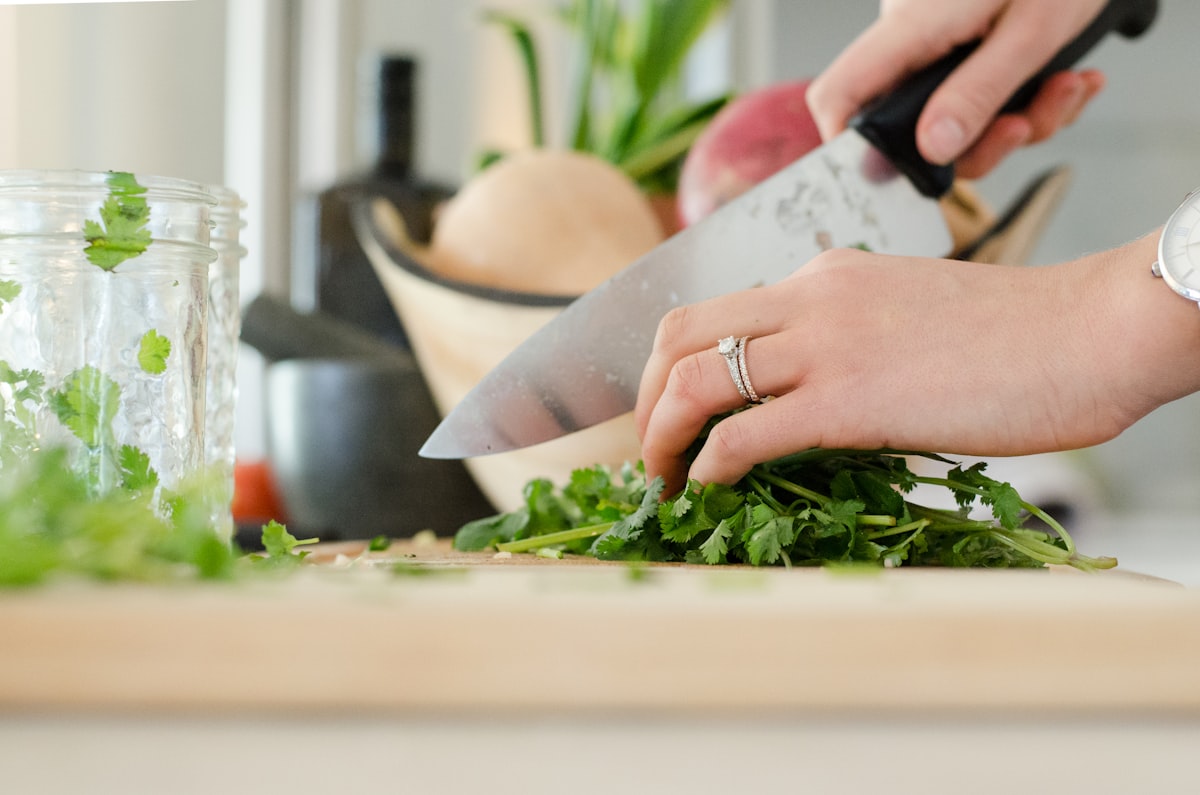
The Budget-Conscious Eater
Sophie found she could manage her food budget more effectively through strategic meal planning and batch cooking. She learned which seasonal vegetables offer the best value and how to stretch affordable proteins. Her food budget now feels manageable instead of unpredictable.
"Planning actually freed me financially—I spend less and eat better quality."

The Wellness Seeker
Sophia used meal prep as a tool for understanding her body's response to different foods and eating patterns. By preparing consistent meals and tracking how she felt, she gained valuable insights into her personal nutrition needs that no generic diet could provide.
"The structure became my laboratory for understanding what truly works for my body."
The Environmentally Aware Cook
Andreas embraced meal prep as part of his environmental commitment. By planning meals carefully, he eliminated food waste almost entirely and could make more conscious purchasing decisions that aligned with his sustainability values.
"I've reduced my food waste to nearly zero—meal prep made environmental impact practical."
Common Questions About Meal Prep
Find answers to frequently asked questions about implementing meal preparation in your daily life.
Most people spend 2-3 hours per week on meal preparation. This includes planning, shopping, cooking, and portioning. The exact time depends on how many meals you're preparing, recipe complexity, and your kitchen efficiency. Many people find that the time investment decreases as they develop routines and familiarity with their recipes.
Sunday is traditional because it prepares you for the week ahead, but the best day is whenever you have uninterrupted time and the day before you want meals to start. Some people prefer Saturday, others use Wednesday to refresh midweek. Choose a day that naturally aligns with your schedule and allows meals to be fresh for your intended eating days.
Most properly stored meals last 3-4 days in the refrigerator. Some items like rice and cooked proteins can extend to 5 days. Freezing extends storage significantly—most prepared meals keep for 2-3 months frozen. Key to freshness is using airtight containers, labeling with dates, and storing at proper temperature. You can stagger freezing some meals if you prefer freshness throughout the week.
Boredom is preventable through smart variety planning. Prepare 3-4 different meal combinations using different proteins, vegetables, and seasonings. You can rotate "breakfast for dinner" concepts, change meal compositions by adjusting portions, or add different sauces and condiments to the same base ingredients. Many people find that the reliability of prepared meals actually increases their enjoyment by removing the stress of daily decisions.
Glass containers with airtight lids are ideal—they resist staining, don't absorb odors, and are freezer and microwave safe. High-quality plastic containers work well for convenience and portability. Avoid single-use containers; invest in durable, reusable options that withstand repeated use. Compartmentalized containers help keep components separate, which can extend freshness and maintain food appeal throughout storage.
Absolutely. Small-space meal prep requires planning but is entirely feasible. Use your oven and stovetop efficiently by preparing one component at a time, minimize active ingredients on the counter, and clean as you go. Consider one-pot or sheet pan meals that require minimal cleanup. Small kitchen prep takes slightly longer but achieves the same results—the key is organization rather than square footage.
Essential Tools and Resources